How to Choose Where to Dig
The difference between good sand and bad sand, and how to find it
Not all beach sand is equal, and not all spots on the same beach are equal either. Experienced diggers spend a few minutes reading the beach before committing a site — looking for the right sand consistency, the right distance from the tide, the right slope and firmness. This five-minute investment pays off in a much better session. Here is what to look for.
Finding the Right Sand
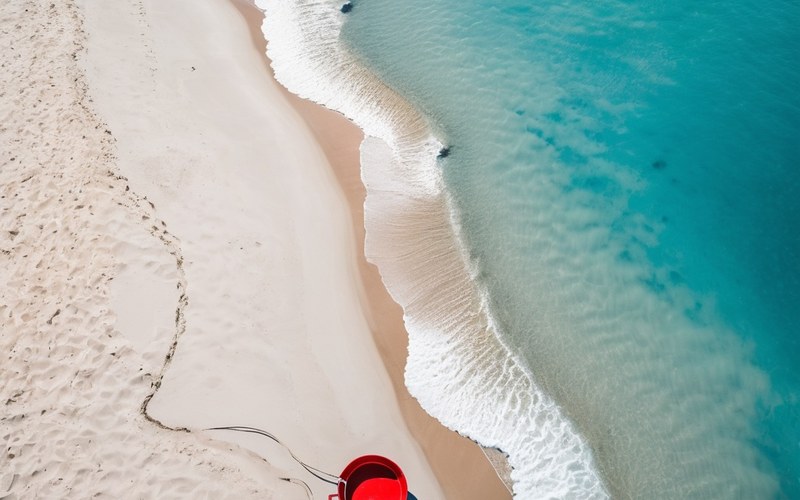
The ideal digging sand is damp and firm — it holds a shape when squeezed without dripping water. Dry sand above the tide line is loose and collapses; it cannot hold walls or a tunnel roof. Saturated sand at the water's edge is too wet and heavy — it holds shape initially but collapses under its own weight as water drains through it. The sweet spot is the zone that was wet at the last high tide but has had time to drain — firm, damp, and cohesive. On most beaches this is a band 5–20 metres above the current water's edge at low tide.
Testing the Sand
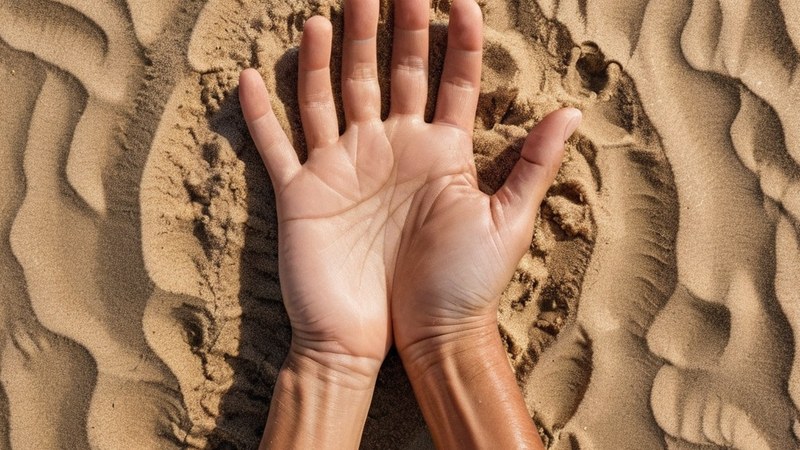
Before committing to a spot, take three steps: (1) press your foot into the surface — you want to leave a clear impression without sinking more than a centimetre. (2) Dig 20cm down and squeeze a handful of the sand — it should hold a fist shape cleanly. (3) Look at the surface — cracked, crazed patterns on the surface indicate sand that is drying out and losing cohesion; smooth, slightly shiny surfaces indicate ideal dampness. If the sand crumbles when squeezed, move closer to the water's edge. If it drips, move further away.
Distance from the Water
For a long session (2+ hours), start at least 15–20 metres from the current water's edge and work out whether the tide is coming in or going out. On a falling tide, start closer to the water and you will have firm, freshly exposed sand. On a rising tide, start further back and you are working with a time limit. For a quick session (under an hour), the zone 5–10 metres from the water's edge on any tide is usually workable.
Slope and Shelter
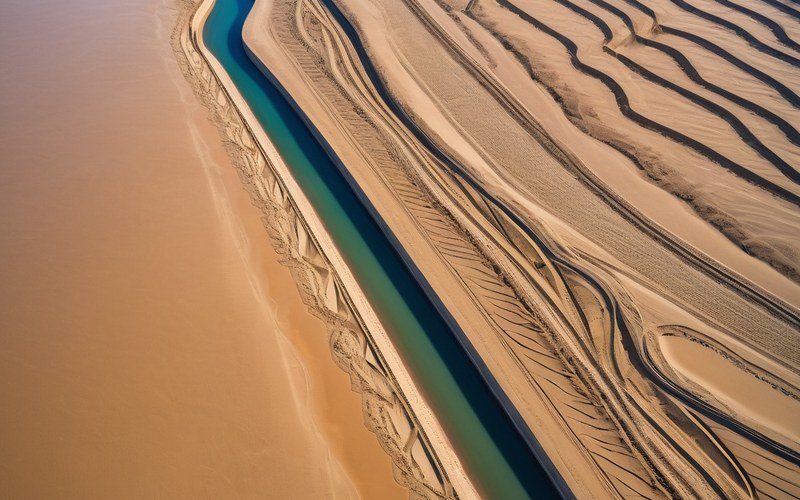
A slight slope is helpful for channels and castle moats — gravity does the work of directing water for you. A very steep slope means your dig site is always tilted and your walls will be uneven. Look for a gently sloping area, ideally with some natural shelter from wind — a sand dune, a headland, or simply a slight hollow in the beach surface all reduce the wind that dries out damp sand and makes building harder.
What to Avoid
Avoid areas with fresh water emerging from the sand (a spring or drainage point) — these spots are permanently saturated and walls collapse immediately. Avoid areas strewn with shells and shingle — the mixed material digs poorly and damages plastic spades. Avoid the area directly below the tide line — the sand here is too freshly wet and will collapse tunnel roofs within minutes. On a crowded beach, leave a respectful distance from other families — a collapsing tunnel is no fun for anyone nearby.