Matching Your Tools to Your Sand Type
The right spade for the wrong sand wastes an hour — here's what actually works where
Not all sand behaves the same way, and the tool that works brilliantly on one beach can be genuinely frustrating on another. Fine, tightly-packed sand needs different handling from coarse, loose sand, and a beach with a shell or shingle base needs a different approach again. This guide matches common beach types to the tools and techniques that actually work on them, rather than assuming one packing list fits every beach.
Fine, Tightly-Packed Sand (most flat-sandy beaches)
This is the easiest sand to work with and the most forgiving for beginners. A standard metal spade cuts cleanly, walls hold their shape well, and moulds release cleanly with a firm pack. The main risk is over-drying on the surface in strong sun — dig down to the damper layer a few centimetres below the surface for the best results, rather than fighting with dry, crumbly surface sand.
Coarse or Loose Sand (some dune-backed and exposed beaches)
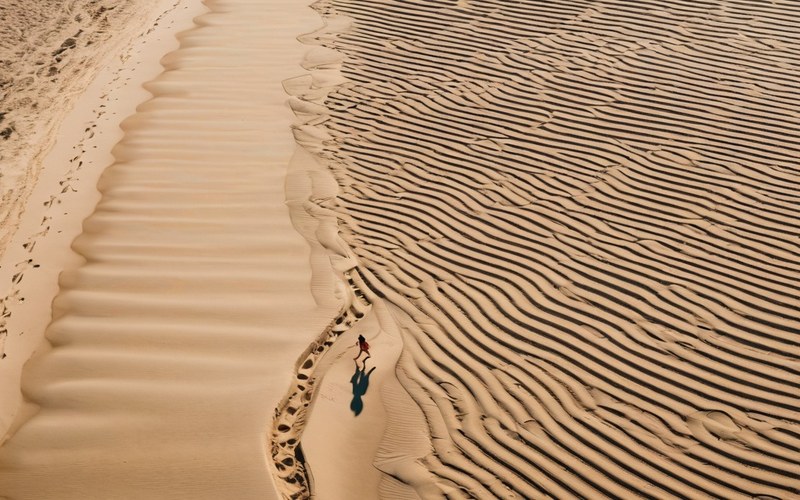
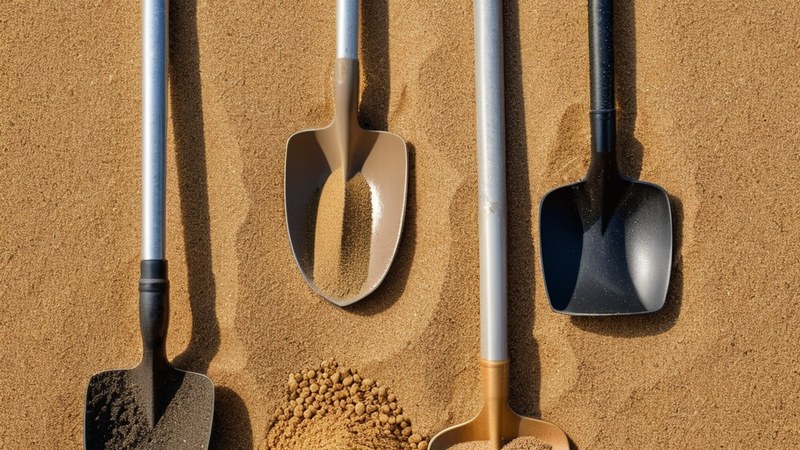
Coarse sand doesn't compact as readily and tends to slump back into holes and trenches faster than fine sand — tunnels and steep-walled holes are considerably harder here. A wider, flatter spade that moves more volume per scoop works better than a narrow digging spade, and it's worth building walls at a shallower angle than you would on fine sand, since steep walls are more likely to collapse. Wetting the sand slightly before shaping a mould also helps it hold together.
Shell-Heavy or Shingle-Mixed Sand
Beaches with a significant shell or small-shingle content need a sturdier tool than a lightweight children's spade — a metal-bladed adult spade or a small garden trowel with a solid edge copes far better with the resistance shell fragments create. This sand type is generally poor for tunnels and fine detail work, but genuinely excellent for anything involving texture or a rougher, more rustic finish, like fossil-dig or treasure-hole activities where a bit of resistance while excavating is part of the fun.
Muddy or Estuary Sand
Estuary and muddy tidal-flat sand behaves almost like clay when compacted — it holds shape extremely well, sometimes too well, making it harder to dig through cleanly with a standard spade. A narrower, sharper-edged spade cuts through more effectively than a wide flat one. This sand type is particularly good for channel and sea-wall activities, since the walls hold firm against water for much longer than looser sand types, but it's worth rinsing tools thoroughly afterward, since this sand type tends to cling and dry hard on metal blades.
Dry Dune Sand
The loosest, most difficult sand to work with structurally — dune sand above the tideline rarely holds a wall or a mould shape at all without added water. This isn't the right sand type for moats, tunnels, or anything requiring structure; it's much better suited to activities like an igloo-den (built up rather than dug down, where you're mounding and shaping rather than relying on wall stability) or simply burying and excavating games, where collapse isn't a problem.
When in Doubt, Test Before You Commit
Before starting an ambitious project — a large tunnel or an elaborate moat system — dig a quick test hole first and see how the walls behave. A minute of testing saves the frustration of a collapsed tunnel halfway through, and tells you quickly whether you need to adjust depth, add water, or switch to a project better suited to what the sand in front of you is actually going to do.