The Complete Beach Digging Packing List
Everything you need for a serious beach digging session, nothing you don't
Most families arrive at the beach with a vague collection of half-remembered kit and spend the first fifteen minutes discovering what they have forgotten. A packing list, kept with the kit bag and checked before every trip, solves this completely. This is the definitive list for a family planning a serious digging session — arranged by category, with notes on what can be improvised and what really cannot.
Digging Tools (non-negotiable)
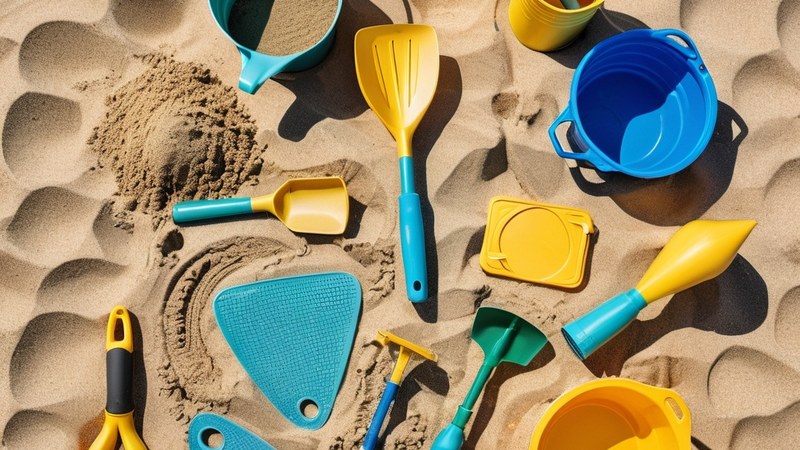
One spade per child (children's metal spade, appropriately sized). One adult lightweight spade for tunnels, large channels, and heavy work. One hand trowel for detail work and finishing. One watering can (1.5–3 litres) — more useful than a bucket for controlled moat-filling.
Carrying and Moulding
One bucket per child (6–9 litres), plus one large bucket (12 litres) kept at the water's edge for refilling. Sand moulds if travelling with under-5s. Small mesh bag for moulds — they tend to scatter.
Comfort and Safety
Kneeling pad (one per adult — do not skip this). Sunscreen (minimum SPF 30, water-resistant). Sun hats for all children. Drinking water (more than you think — digging is physical work). Basic first aid kit including plasters, antiseptic wipe, and bandage in case of spade-related accidents.
For Specific Projects
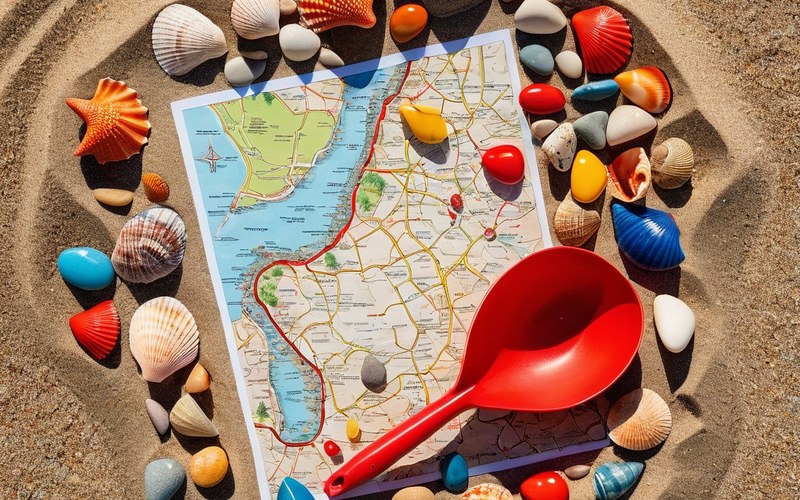
Tunnel: bring the adult spade, a flat stone or piece of driftwood for roof-testing, and a head torch if planning to work in reduced visibility. Channel and dam: flat stones from above the tide line, a small spirit level for older engineers, a tape measure for record attempts. Treasure hole: a small waterproof box or tin for the treasure, a 'treasure map' drawn in advance. Den: a windbreak pole or beach umbrella can serve as the den's structural backbone.
Optional but Worth Having
A bag of shells and pebbles from a previous trip for decoration — do not collect living shells. A small flag (a lolly stick with a paper triangle is sufficient) to mark the dig site. A waterproof camera or phone case — sand and salt water ruin phones quickly. Wet wipes for hands before eating. A small notebook for project planning with older children.
The Organisation System
Keep all digging kit in one dedicated bag, separate from swimming kit, picnic, and sun protection. Use the buckets inside the bag to organise smaller items. Laminate this list and attach it to the bag handle — then send a child to pack it. Everything in the bucket, bucket in the bag, bag by the door.
What to Leave Behind
Metal detectors (bring them if you like, but they kill the treasure hole game completely). Adult garden spades (too heavy for all-day use). Glass bottles. Anything you would be upset to lose — kit gets buried, forgotten, and washed away.