Types of Beaches: Sand, Shingle, Rock, and Tidal Flat Explained
Not every beach is sand — knowing which type you've got tells you what's actually possible to dig
Most digging advice assumes a beach is made of plain, deep sand, but a lot of real beaches aren't. What you can build depends heavily on what the beach is actually made of — sand, shingle, rock, or a tidal flat exposed only at low tide are all genuinely different surfaces with different possibilities. This guide is a quick reference for telling them apart and knowing what to expect from each before you've unpacked the spades.
Sand beaches
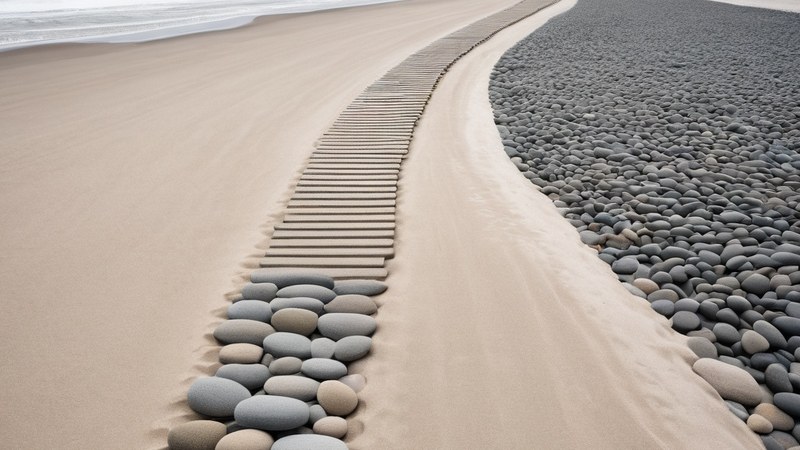
The default, and the surface almost every project on this site assumes. Fine, loose grains that bind together when damp, holding shapes, walls, and moats well. The deeper and finer the sand, the better it generally digs — coarse, shelly sand is more prone to collapsing walls than fine, uniform sand.
Shingle beaches
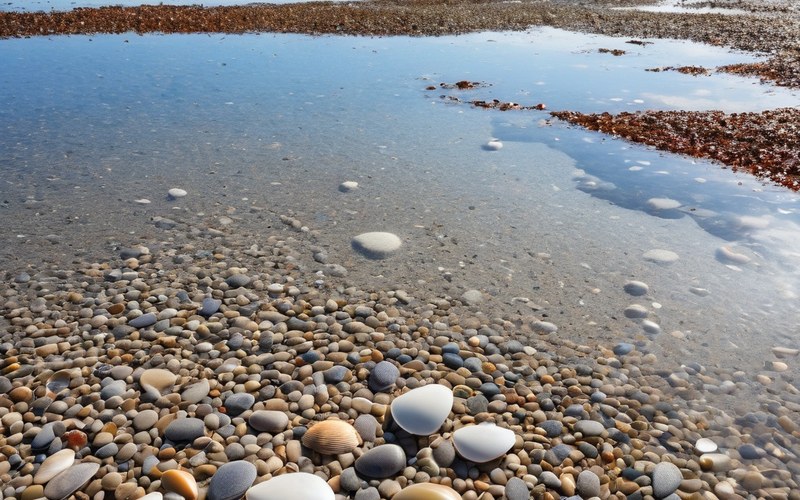
Loose rounded pebbles and stones instead of sand grains — common across much of Sussex, Kent, Dorset, and parts of Wales and Scotland. Doesn't hold a dug shape at all, since there's no binding effect between stones. Building and stacking projects (cairns, walls) work; digging projects generally don't. See the dedicated shingle beach guide for more detail.
Tidal flats
Technically a type of sand or mud beach, but worth treating separately because of how differently it behaves: a huge, flat, firm area exposed only at low tide, often much larger than the beach visible at high tide. The best digging surface of all when it's available — see the dedicated tidal flats guide for timing and safety.
Rocky and rock-pool beaches
Beaches dominated by exposed rock platforms, boulders, or a shoreline that's mostly stone rather than loose sediment of any kind. Little to no conventional digging is possible, but these are the best beaches for rockpooling, fossil-spotting, and building a rock pool habitat where pockets of sand or shingle sit between the rocks.
Estuary and mixed beaches
Found where a river meets the sea — often a mix of softer mud, patches of sand, and sometimes shingle banks all on the same short stretch. Usually softer and siltier underfoot than an open-coast sand beach, and worth a careful first few steps to check how firm the ground actually is before committing to a big project.