What Are Tidal Flats? The Best Digging Ground You're Probably Ignoring
The huge, flat, firm expanse of sand that only appears at low tide — and the best digging surface on the beach
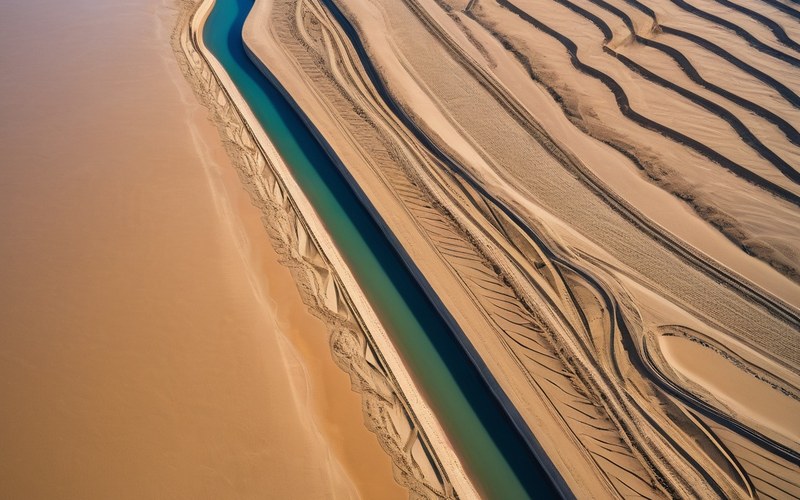
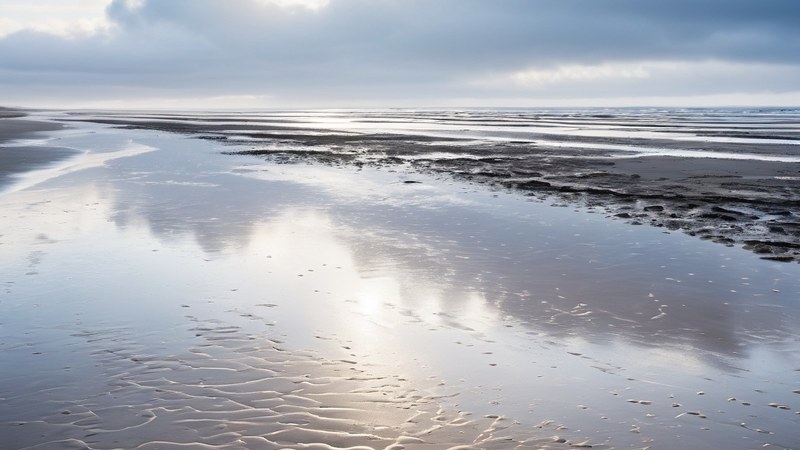
A tidal flat (also called a mudflat or sand flat depending on what it's made of) is the wide, nearly flat expanse of beach that's submerged at high tide and exposed as the water retreats — sometimes stretching hundreds of metres further out than the beach you'd see at high tide. Firm, flat, and enormous, they're arguably the best digging surface around, but only exist for part of the tidal cycle, which is why so many people never quite work out when or where to find them.
Sand flats vs mudflats
Not all tidal flats are the same. Sandy tidal flats — common on open, wave-exposed coasts — are firm enough to walk and dig on comfortably, and are where the best lugworm casts and razor clam holes are found. Mudflats, more common in sheltered estuaries and bays, are softer, often genuinely difficult to walk across safely, and generally a worse choice for digging projects. Check which type a given beach has before heading out onto it at low tide — a quick look at how previous footprints have sunk in is usually enough to tell.
Why they're such good digging ground
Tidal flats are firm because they're compacted by the regular weight of the tide moving over them, and they're flat because that same repeated wave action smooths out any irregularities. That combination — firm and flat — is exactly what makes large-scale projects like sand pools, channels, and big castle-and-moat systems easier here than on a steeply sloping beach, with far more space to work in than the main stretch of beach ever offers.
Timing it safely
The flat only exists for the hours either side of low tide — check local tide times before heading out, and always keep track of how far you've walked out as the tide starts to turn. Tidal flats can flood from multiple directions at once as the tide returns, sometimes cutting off a sandbank or flat area faster than the walk back would suggest. If a flat looks exceptionally large relative to the rest of the beach, treat it with extra respect rather than extra ambition.