Digging With Babies and Toddlers
Beach digging for the under-3s, done at their pace
Most beach digging advice assumes children old enough to hold a spade with purpose and follow a plan. Babies and toddlers experience sand completely differently — through texture, temperature, and the simple cause-and-effect of a bucket filling and emptying — and a session built around that difference works far better than trying to scale down a castle-moat project. This guide covers what actually works for the youngest beachgoers.
Step by Step
- Set up a small, contained digging area close to your base — a shaded spot with a towel or mat nearby for breaks.
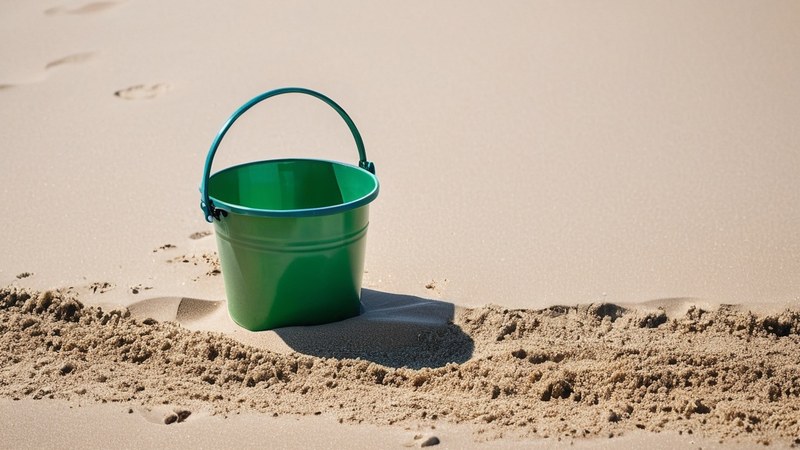
- Offer a single small spade and bucket, and let the child choose what to do with them rather than directing a project.
- Demonstrate filling and tipping the bucket once, then step back and let them repeat it at their own pace, however many times they want.
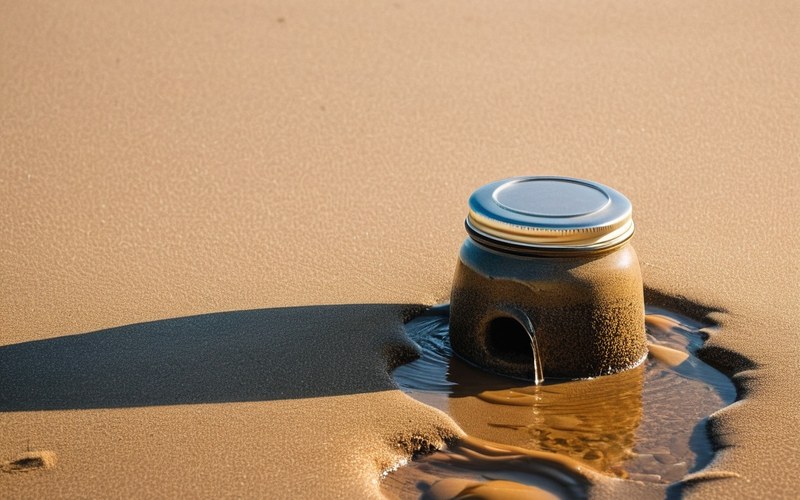
- Introduce a small amount of water only once they're confident with dry sand — wet sand's different texture is often a fresh source of interest.
- Watch for overstimulation or tiredness — a toddler who starts throwing sand or tools is usually signalling they're done, not being naughty.
- Keep sessions to 15–20 minutes at a time with breaks, rather than one long stretch.
Start With Texture, Not Technique
For most babies and toddlers, the appeal of the beach isn't building anything — it's the sensation of sand itself. Let them handle dry sand, damp sand, and wet sand separately, without any project in mind, before introducing tools or goals. A shallow tray or the corner of a towel with a small pile of each type, away from the main digging area, is often more engaging for a one- or two-year-old than any hole.
Keep Tools Small and Few
A single small spade and a small bucket is plenty — too many tools becomes overwhelming and often ends up as things to be thrown rather than used. Choose tools sized properly for small hands rather than miniature versions of adult tools, which are often still too heavy or awkward to grip. Avoid anything with a sharp edge or a long handle that could catch another child nearby.
Fill and Empty Is the Whole Game
The single most reliable toddler activity on any beach is filling a bucket with sand or water and tipping it out again, repeated as many times as they want. This isn't a lesser version of 'real' digging — it's genuinely the right activity for this age, building the same hand coordination and cause-and-effect understanding that later becomes purposeful digging. Resist the urge to turn it into something more structured.
Sun, Sand Temperature, and Timing
Very young skin burns faster and sand can get hot enough to be uncomfortable for bare feet and hands even when the air doesn't feel that warm. Dig in the shade of a windbreak or umbrella where possible, check sand temperature with your own hand before letting a toddler sit directly on it, and keep sessions shorter and more frequent — twenty minutes of digging followed by a break works better than one long session.