Rock Pool Habitat
Dig your own rock pool to give crabs, shrimp, and whatever else the tide brings in a temporary home
A shallow, wide pool dug with a rocky or shell-lined base, designed specifically to hold water and shelter for small sea creatures caught while rock pooling — a gentler, more purposeful cousin of the standard sand pool, built for observing wildlife rather than just for paddling.
Quick Facts
| Best for ages | 4 and up |
|---|---|
| Time to build | 20–40 minutes |
| Tools needed | spade, bucket, small net (optional) |
| Water needed? | Yes |
When to Dig It
Best Conditions
How to Dig It
- Choose a spot close to where you're collecting from, on flat sand just above the waterline.
- Dig a shallow, wide pool, no more than 20cm deep, with gently sloping sides so small creatures can't easily climb out.
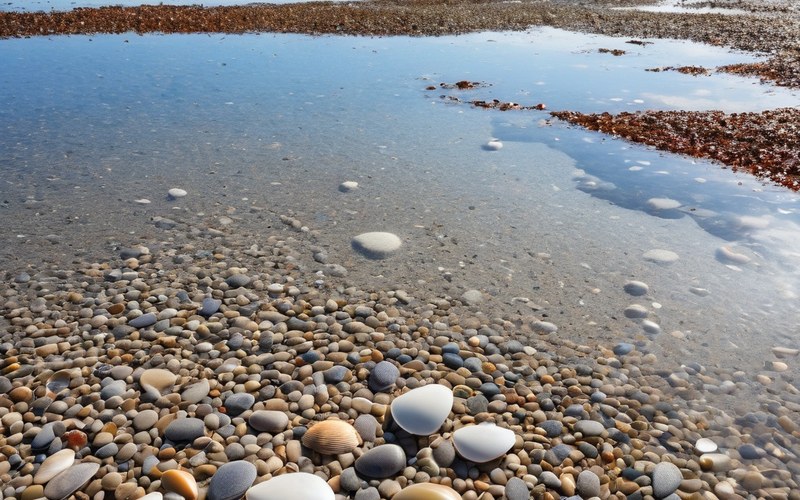
- Line the base with a few flat stones, shells, or a patch of seaweed for shelter and somewhere to hide.
- Fill with seawater carried by bucket, or positioned close enough that the tide tops it up naturally.
- Add creatures gently — small crabs, shrimp, or anything caught while rockpooling — and always return them to the sea before you leave.
Variations
Dig several connected pools of different depths to sort creatures by size, or add a small channel connecting it to the sea so it refreshes naturally as the tide comes in.
Seasonal Tips
Spring
A good season for rockpooling generally, with plenty of small creatures active in shallow water.
Summer
Keep the pool topped up regularly — warm summer sun heats shallow water quickly, which isn't comfortable for anything living in it.
Autumn
Cooler water and calmer conditions often make creatures easier to spot and catch.
Winter
Fewer people digging means fewer disturbed rockpools nearby — good conditions if you're wrapped up warm.
Try This Hole on Every Beach Type
Flat Sandy Beach
Rock Pool Habitat on a flat sandy beach →
Steep Shingle Beach
Rock Pool Habitat on a steep shingle beach →
Tidal Flat Beach
Rock Pool Habitat on a tidal flat beach →
Rock Pool Beach
Rock Pool Habitat on a rock pool beach →
Shell Beach
Rock Pool Habitat on a shell beach →
Tropical Coral Sand Beach
Rock Pool Habitat on a tropical coral sand beach →
Estuary Beach
Rock Pool Habitat on a estuary beach →
Sheltered Cove
Rock Pool Habitat on a sheltered cove →
How-To Guides for This Hole
🏖️ Types of Beaches: Sand, Shingle, Rock, and Tidal Flat Explained
Not every beach is sand — knowing which type you've got tells you what's actually possible to dig
🦀 What Is a Rock Pool? (And How They Form)
The natural pools left behind by the tide, and why some beaches are full of them and others have none at all