Sea Wall
Build a defence and see how long you can hold back the tide
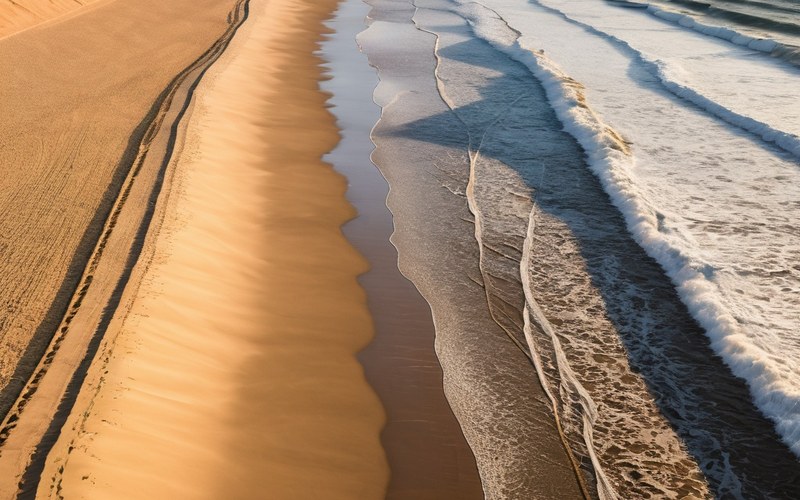
A raised sand wall, or dyke, built in the path of the incoming tide with the explicit goal of holding the sea back for as long as possible. Unlike Channel and Dam, which is about redirecting water that's already there, this is a pure defensive engineering challenge against a rising tide that will, eventually and inevitably, win — which is exactly what makes it fun. It rewards teamwork, reinforcement, and paying attention to where the water is finding weaknesses.
Quick Facts
| Best for ages | 5 and up |
|---|---|
| Time to build | 40–70 minutes, plus however long the tide takes to break through |
| Tools needed | spade, bucket |
| Water needed? | Yes |
When to Dig It
Best Conditions
Advertisement
How to Dig It
- Check the tide times before you start, and pick a spot that the sea will reach within the next hour or so — too early and you'll be waiting around, too late and you won't finish in time.
- Build a long, wide-based wall parallel to the shoreline, at least 30cm high and wider at the base than the top for stability.
- Pack the sand firmly as you build, using the back of a spade to compress each layer rather than just piling loose sand.
- Dig a shallow trench on the seaward side of the wall to slow incoming water before it reaches the main structure.
- As the tide arrives, patrol the wall for weak points — thin sections, small leaks, or places water is pooling — and reinforce them as you spot them.
- Keep reinforcing for as long as you can. When the wall finally breaches, let it go — that moment is the payoff, not a failure.
Variations
Split into two teams building separate sections of the same wall and see whose section holds longest. For younger children, build a smaller test wall well away from the tide and pour bucket water against it instead, for a lower-stakes version of the same idea.
Seasonal Tips
Spring
Moderate tides make for a good, well-paced defence — not too fast, not too slow.
Summer
Popular activity for a hot day, and the wait for the tide is a good excuse for a paddle break.
Autumn
Larger autumn tides can move faster than expected — keep a closer eye on timing.
Winter
Best attempted with a shorter build and a closer eye on timing, since cold hands tire fast.
Try This Hole on Every Beach Type
Flat Sandy Beach
Sea Wall on a flat sandy beach →
Steep Shingle Beach
Sea Wall on a steep shingle beach →
Tidal Flat Beach
Sea Wall on a tidal flat beach →
Rock Pool Beach
Sea Wall on a rock pool beach →
Shell Beach
Sea Wall on a shell beach →
Tropical Coral Sand Beach
Sea Wall on a tropical coral sand beach →
Estuary Beach
Sea Wall on a estuary beach →
Sheltered Cove
Sea Wall on a sheltered cove →